welcome to my page
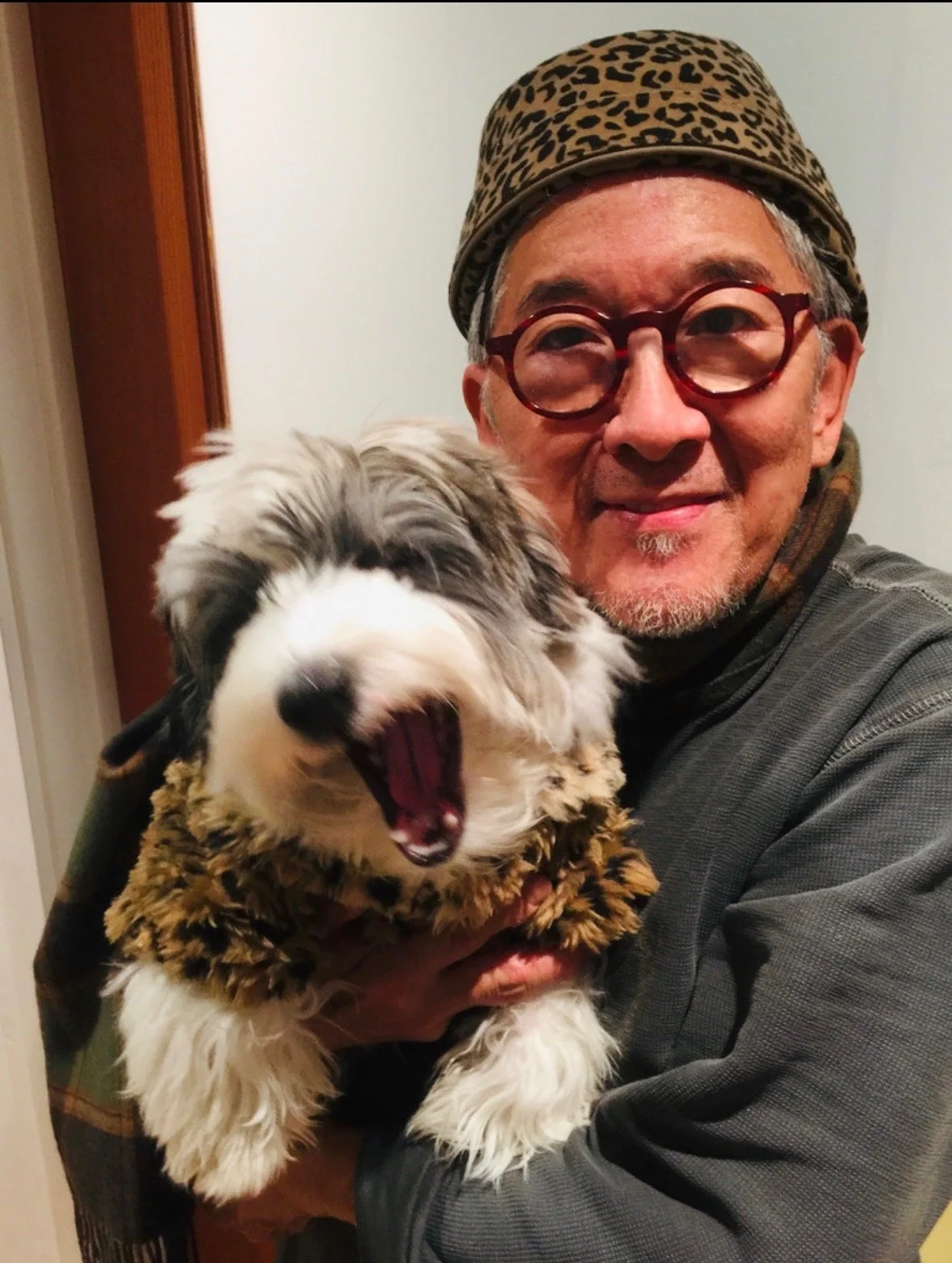
Playwright, Filmmaker, Librettist Philip Kan Gotanda
Over the last five decades, Philip Kan Gotanda has been instrumental in bringing stories of Asians in the United States to mainstream American theater as well as to Asia and Europe.
Mr. Gotanda has specialized in the Japanese American family, writing a cycle of works in theater, film and opera chronicling their story from the early 1900s to the present. Mr. Gotanda's newest work, is the opera, Both Eyes Open, created with composer Max Giteck Duykers. Both Eyes Open is an operatic telling of the incarceration of Japanese Americans during World War II. Rather than a historical recounting, Both Eyes Open offers an impressionistic narrative centering on the psychological trauma of the American concentration camps.
Mr. Gotanda holds a law degree from UC Law SF and studied pottery in Japan with the late Hiroshi Seto. Mr. Gotanda is a respected independent filmmaker. His films, Life Tastes Good, Drinking Tea and The Kiss were official selections of the Sundance Film Festival. A 1980s concert of Mr. Gotanda performing original songs with violinist David Henry Hwang can be found on his website: philipkangotanda.org
Mr. Gotanda is a professor emeritus with the Department of Theater Dance and Performance Studies at the University of California at Berkeley. Mr. Gotanda is the recipient of a Guggenheim Fellowship, the Dramatist Guild Foundation Legacy Award recognizing Mr. Gotanda’s contributions to American theater, the USA Fellowship Award, among other honors and recognitions. Mr. Gotanda was recently inducted into the American Academy of Arts and Sciences.
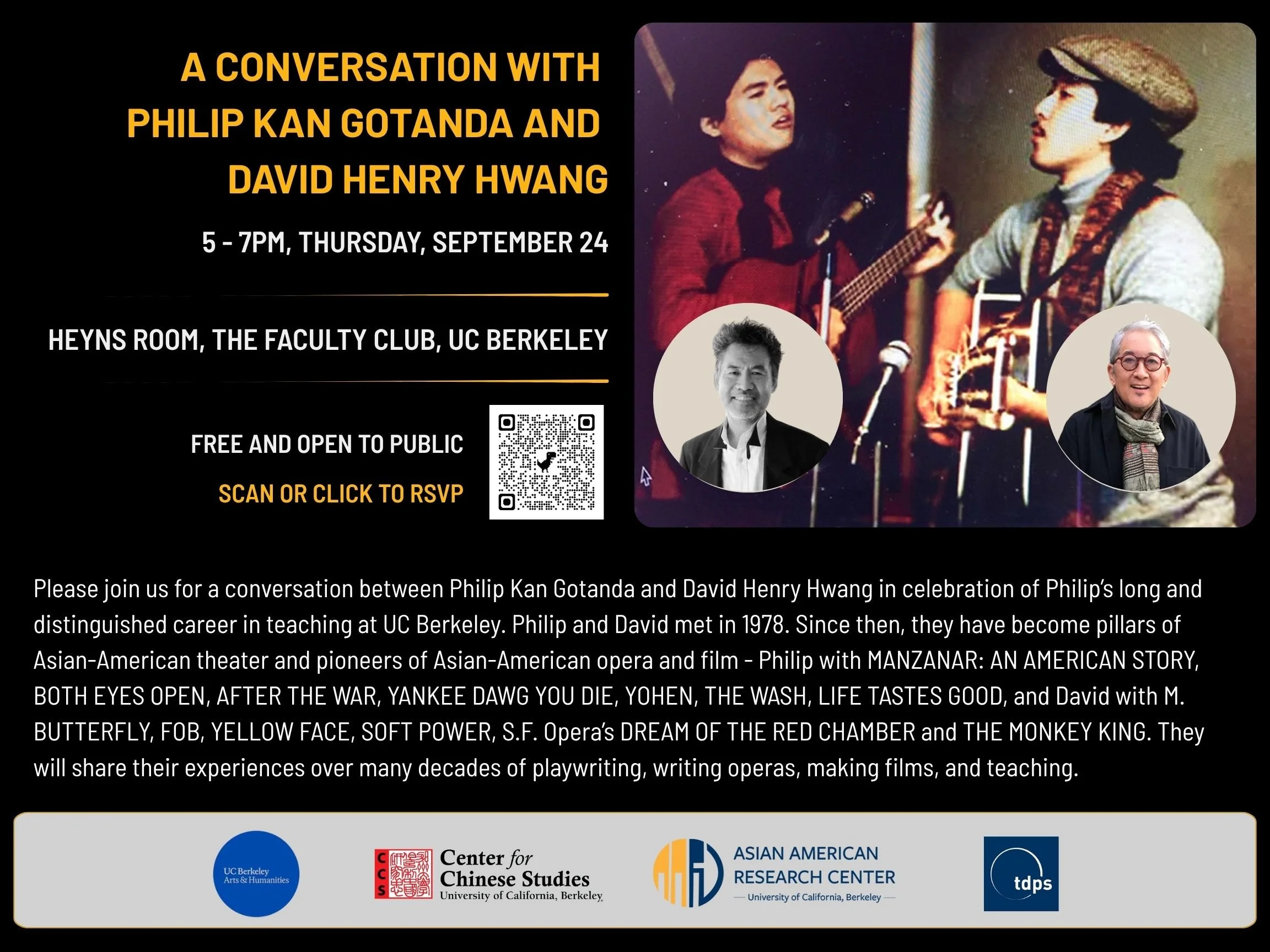
announcements:
past event
Please join us for a conversation between Philip Kan Gotanda and David Henry Hwang in celebration of Philip's long and distinguished career in teaching at UC Berkeley. Philip and David met in 1978. Since then, they have become pillars of Asian-American theater and pioneers of Asian-American opera and film - Philip with MANZANAR: AN AMERICAN STORY, BOTH EYES OPEN, AFTER THE WAR, YANKEE DAWG YOU DIE, YOHEN, THE WASH, LIFE TASTES GOOD, and David with M. BUTTERFLY, FOB, YELLOW FACE, SOFT POWER, S.F. Opera's DREAM OF THE RED CHAMBER and THE MONKEY KING. They will share their experiences over many decades of playwriting, writing operas, making films, and teaching.
View the full conversation here:
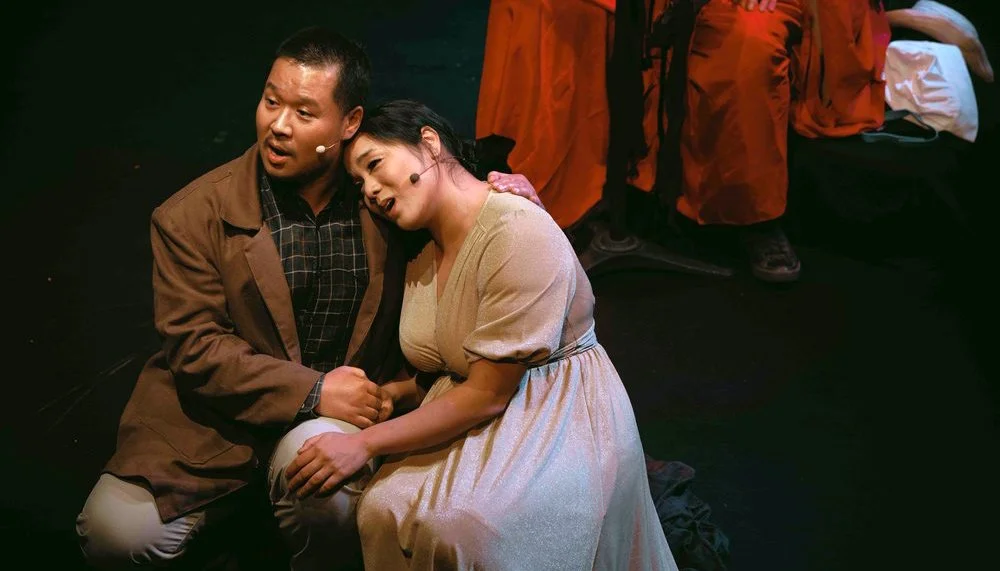
Both Eyes Open
read a review here:
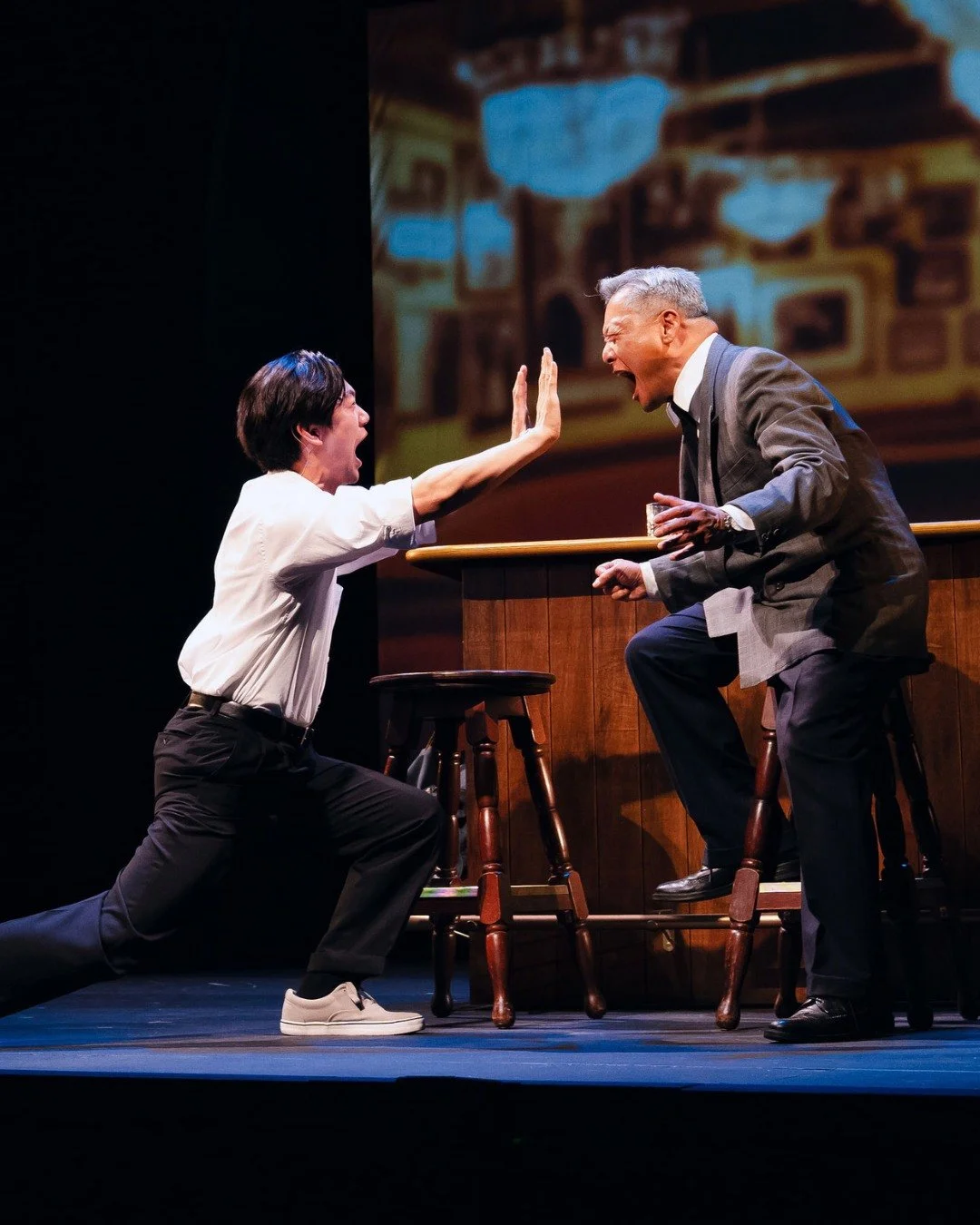
David Henry Hwang Theater (July 3rd to 27th, 2025)
Yankee Dawg You Die
The play has long been an indictment of the stereotypes and limitations imposed by the entertainment industry on actors of color. This play ignites crucial conversations about representation, identity, and the resilience of Asian American artists–how far we’ve come and how much further there is to go.
In the News